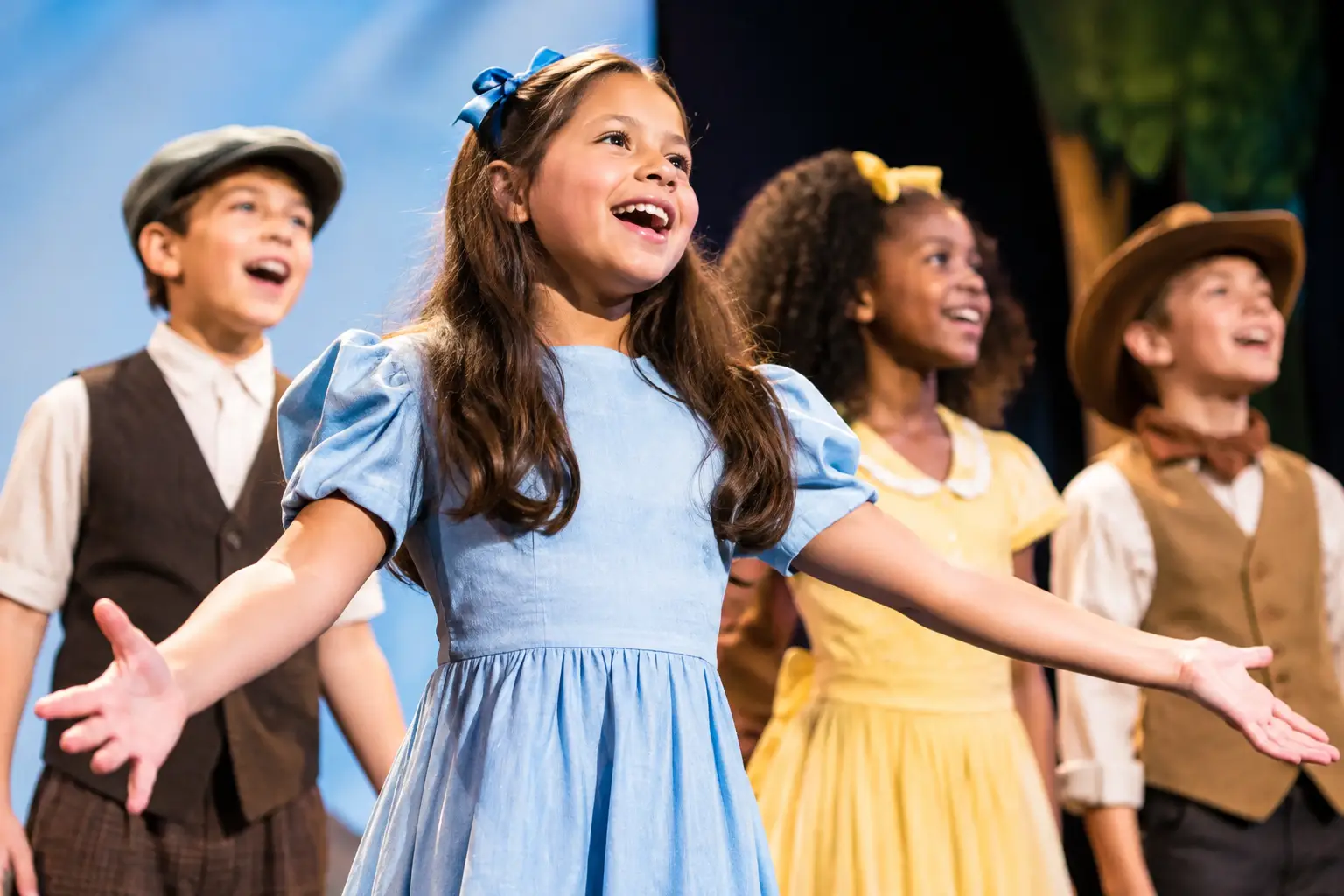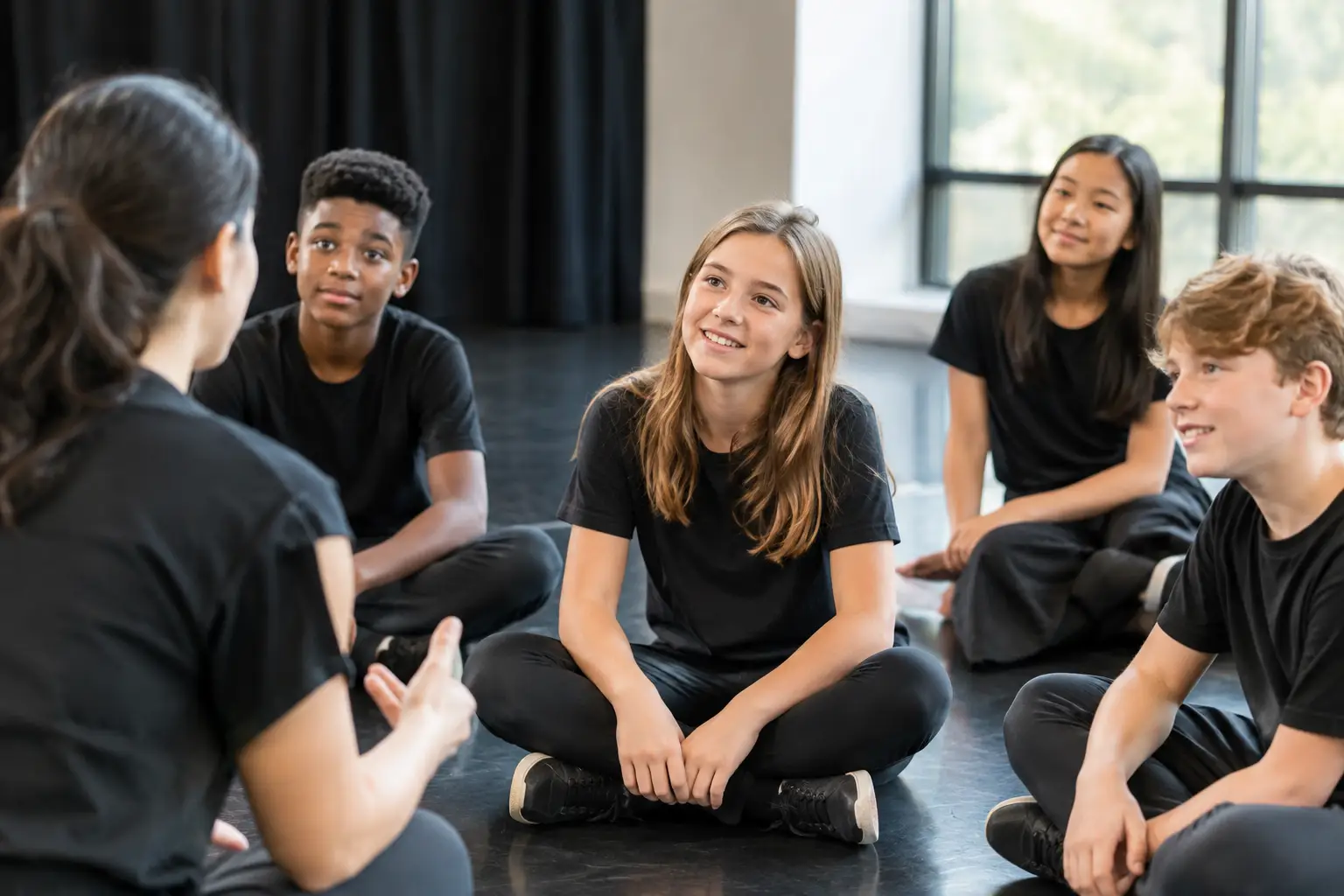
A harmony can make a young performer feel like they have found their place in the music. It can also feel intimidating at first, especially when a teen hears another part nearby and accidentally slides back to the melody. The good news is that families and directors can help teens practice harmonies in ways that feel encouraging, achievable, and even fun. The goal is not instant perfection. It is helping each singer develop a reliable ear, confidence in their own part, and trust in the group.
In musical theatre, harmony is more than a technical skill. It teaches performers to listen closely, contribute independently, and create something bigger alongside their castmates. Those are valuable lessons onstage and off.
Start With the Melody, Then Give It Space
A teen cannot confidently hold a harmony until they understand the song itself. Begin by listening to the full piece several times and learning the melody, rhythm, lyrics, entrances, and endings. This gives singers a musical map before they take a different route through it.
Once the melody feels familiar, have your teen listen specifically for their assigned part. If a rehearsal track separates the parts, that is ideal. If not, a director, music teacher, or fellow cast member can record a short voice memo singing the harmony alone. A simple recording is often more useful than repeatedly listening to the full ensemble, where the melody naturally stands out.
Then make room for the harmony to be heard on its own. Ask your teen to sing it without the melody playing. It may sound unusual at first. That is normal. A harmony is not supposed to feel like the most familiar line in the room. It needs repetition before the ear begins to recognize it as home.
Help Teens Practice Harmonies in Small Sections
Trying to learn an entire song in one sitting can make a challenging part feel overwhelming. Instead, work in short phrases, usually two to four measures at a time. Start with the section where the harmony enters, then practice the next phrase only after the first one feels steady.
A useful pattern is listen, echo, repeat, and combine. First, your teen listens to the harmony line. Next, they sing it back without accompaniment. Then they repeat it several times until they can stay on pitch and match the rhythm. Finally, they sing it with the melody or accompaniment underneath.
This approach also makes mistakes less dramatic. If one measure is tricky, it does not mean the whole song is a problem. It simply means that measure needs a few more patient repetitions. Celebrate progress that is specific: “You stayed on your part through that whole phrase,” or “Your entrance was right on time.” Specific encouragement helps teens understand what is working.
Use a Piano, App, or Recording as a Check-In
A piano or keyboard can be helpful for finding the first note of a harmony, but it should not become a crutch. Play the starting note, let your teen sing the phrase, and then check the final note or any difficult intervals afterward. This builds internal listening instead of teaching them to wait for someone else to supply every pitch.
Digital practice tools can also help when used thoughtfully. A slowed-down rehearsal track makes fast lyrics easier to hear, while a basic recording app lets teens listen back to themselves. Hearing a recording can feel vulnerable, so keep the conversation kind and practical. Ask, “Did that feel comfortable?” or “Which word made the rhythm harder?” before offering corrections.
Teach the Difference Between Listening and Following
Strong harmony singers listen to the melody, but they do not follow it. That distinction takes practice. When the melody is loud or familiar, it can pull a singer away from their part without them realizing it.
Try this exercise at home: play or sing the melody while your teen sings their harmony at a comfortable volume. If they drift, stop briefly, find their starting note, and try again. Keep the focus on returning to the part rather than criticizing the drift. Every singer, including experienced adults, has moments when another line catches their ear.
Another helpful exercise is to switch the volume levels. Let your teen sing the harmony strongly while the melody is played or sung softly. Later, reverse it so the melody is more prominent. Gradually increasing that challenge prepares them for rehearsal, where they may stand next to a confident melody singer, hear the band, and move through choreography at the same time.
Add Rhythm Before Adding Movement
Many harmony issues are actually rhythm issues. A teen may know the right notes but enter one beat early, hold a word too long, or lose their place during a rest. Speaking the lyrics in rhythm before singing can clear up those trouble spots quickly.
Clap the beat, tap a foot, or gently pat the rhythm on a table while speaking the words. Then sing the same section on one comfortable note. Once the rhythm is secure, bring back the actual pitches. This process may feel basic, but it gives singers a dependable foundation.
Movement adds another layer. In a musical theatre number, a performer may be crossing the stage, picking up a prop, finding a formation, and singing a harmony all at once. Practice singing while walking slowly through the room or marking simple choreography. If the part falls apart, reduce the challenge. Secure the music standing still, then add one movement at a time.
Make Rehearsal Time Feel Safe, Not Like a Test
Teenagers are often especially aware of being heard by siblings, friends, or parents. Some will happily sing at full volume in the car but become quiet at home because they are worried about getting it wrong. A supportive practice environment makes a real difference.
Ask permission before jumping in with feedback. A simple “Would you like a second set of ears?” respects your teen’s growing independence. If they say yes, offer one note at a time. Too many corrections can make a singer clamp down, while one clear goal gives them something manageable to try.
It also helps to keep practice sessions short. Ten focused minutes several days a week often accomplishes more than one long, frustrated session. Stop after a successful attempt when possible. Ending on a phrase they can sing well leaves them more willing to return tomorrow.
Encourage Teens to Own Their Part
A performer builds confidence when they can explain their role in the music. Encourage your teen to notice where their harmony begins, what note starts it, who sings before them, and where it joins or separates from the melody. These musical landmarks are especially useful during a live performance, when nerves can make the song feel faster than it is.
For teens whose voices are changing, flexibility matters. A part that felt easy one month may sit differently the next. That is not failure and it is not something to push through with strain. Encourage healthy habits such as gentle warm-ups, water, rest, and speaking with the music director if a range feels uncomfortable. Good theatre training helps young performers grow without asking them to ignore what their voices need.
At New Star Children’s Theatre, every young performer has an important contribution to make. When a cast learns to trust each voice in a chord, the result is not just a stronger sound. It is a group of young artists learning that their individual part matters.
Let the Group Do Its Job
Home practice prepares a teen for rehearsal, but it cannot replace singing with others. Harmonies come alive when each section learns how its notes fit with the rest of the ensemble. A singer who feels uncertain alone may suddenly understand their line when they hear the chord take shape around them.
Encourage your teen to arrive at rehearsal ready to try, not expecting to be flawless. They can stand near someone singing the same part, watch the director for cues, and ask a question during an appropriate break if an entrance remains confusing. Rehearsal is where performers learn to blend, balance volume, and support one another.
The most memorable moments in a musical often happen when separate voices become one shared sound. With patient practice, kind guidance, and room to make mistakes, teens can learn to hold their harmonies with pride and bring a little more magic to every song.