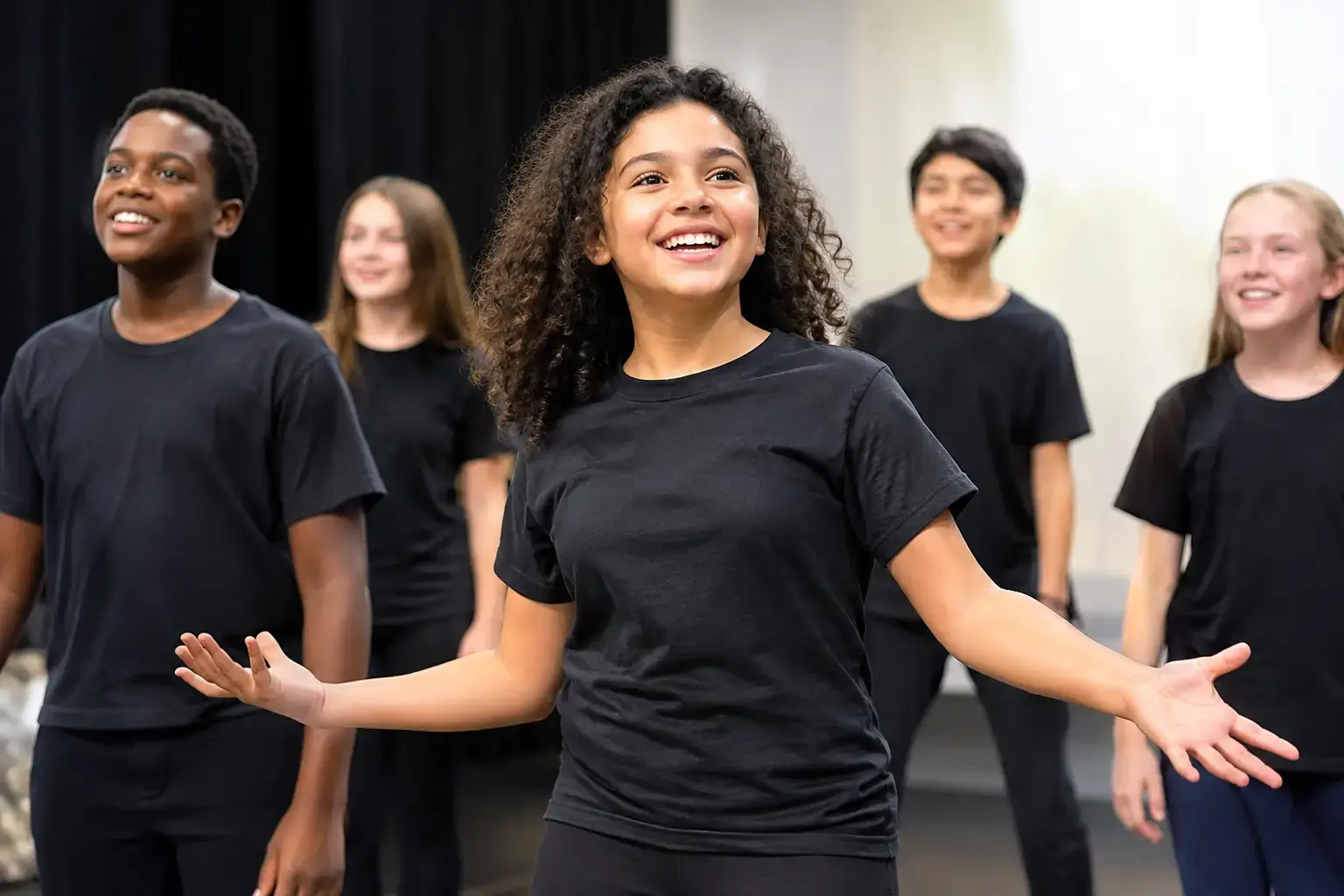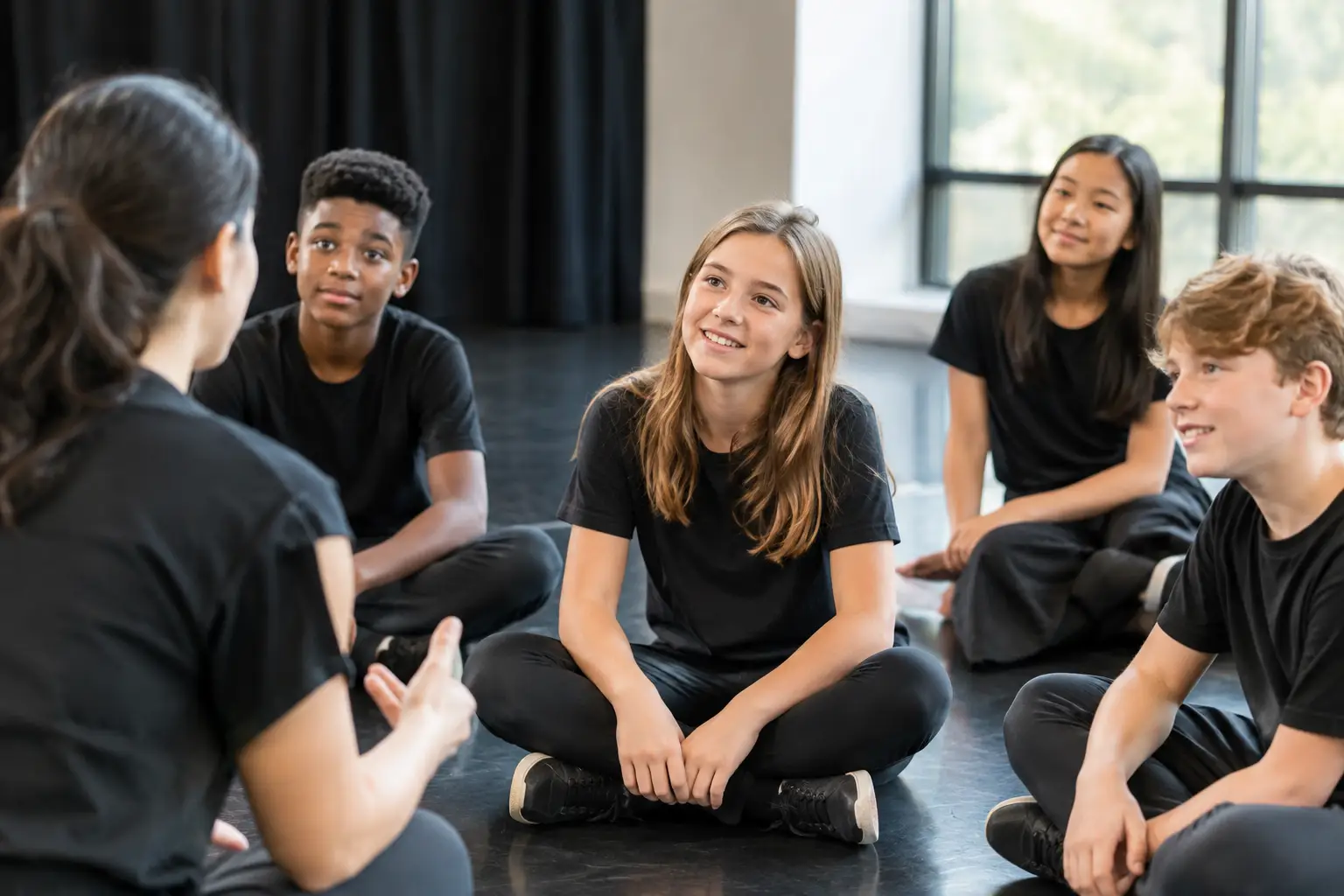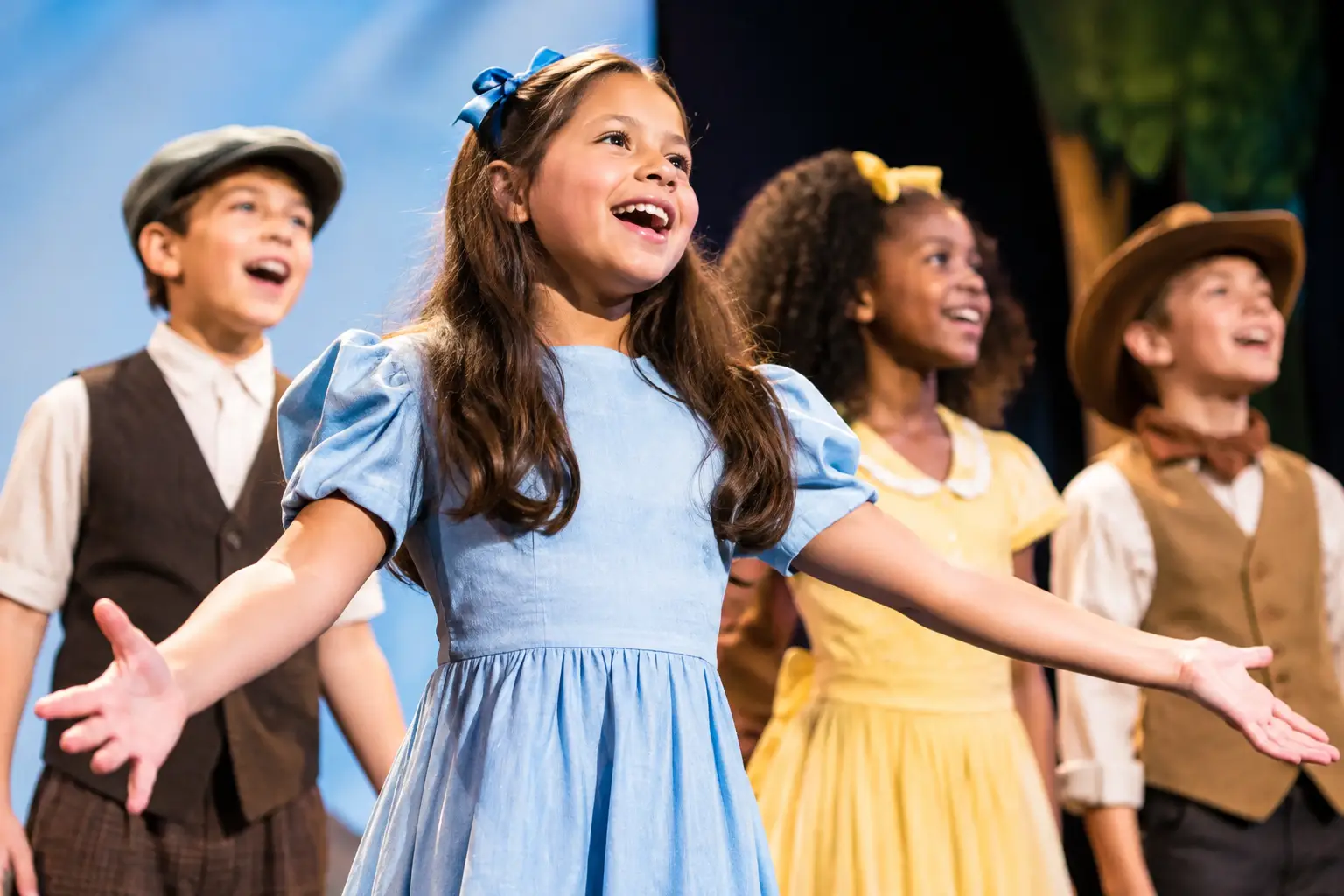
A child may arrive at their first rehearsal holding tightly to a parent’s hand, speaking softly, or wondering whether everyone else already knows what to do. A few weeks later, that same child can be singing a lyric with confidence, waiting for an entrance with purpose, and high-fiving a castmate after a scene. That is the special power of family friendly musicals: they make room for young people to be seen, heard, and celebrated.
For families, a great musical experience is not only about a polished final performance. It is about finding a place where children can try something brave, build skills over time, and become part of a creative community. Whether your child is a longtime performer or has never stepped onto a stage, the right program can turn curiosity into a genuine sense of belonging.
What Makes a Musical Truly Family Friendly?
Family-friendly does not have to mean watered down. The best productions offer lively stories, memorable songs, age-appropriate humor, and enough heart to keep children and adults engaged. They invite families to laugh together, root for characters, and leave the theater with a favorite moment to talk about on the ride home.
For young performers, the term should mean even more. A family-friendly musical program creates an emotionally safe environment where children are treated with kindness and clear expectations. Students need room to make mistakes, ask questions, practice, and improve without feeling embarrassed for being new.
Age-appropriate material matters, but so does the way a production is run. Families should look for rehearsals led by supportive adults, organized communication, and a culture that values teamwork as much as applause. Theatre can ask a lot of children: focus, memorization, movement, listening, and collaboration. Those challenges become exciting when every child knows they have people cheering them on.
Why Family Friendly Musicals Build Real Confidence
Confidence is not usually created by telling a child to be confident. It grows through small, repeatable moments of success. Learning a line, remembering choreography, speaking clearly, helping a scene partner, or returning to rehearsal after a difficult day all give young performers evidence that they can do hard things.
Musicals are especially powerful because they bring several forms of expression together. A child who feels nervous about acting may love singing. Another may discover that they shine in a comic role, a dance break, or a moment of narration. There is no single right way to be a performer.
That variety also helps children stretch beyond what feels familiar. A naturally outgoing child learns patience and ensemble awareness. A quieter child may find a safe reason to speak up. Teens can practice responsibility by arriving prepared, supporting younger cast members, and taking ownership of their creative choices.
The final curtain call is exciting, but the confidence families notice often shows up elsewhere first: a child introduces themselves more easily, participates in class, speaks with greater clarity, or is more willing to try a new activity. Those are meaningful wins that last long after the costumes are put away.
Every role should feel meaningful
Casting can shape a child’s entire first impression of theatre. In some programs, only a small group receives featured parts while everyone else is placed in the background. That model may work for highly selective settings, but it can leave young people wondering whether there is a place for them.
An inclusive program approaches casting differently. It looks for ways to build roles around each performer’s strengths and give every participant a real contribution to make. Meaningful lines, distinct characters, and opportunities to connect with the story help children understand that they matter to the production.
At New Star Children’s Theatre, every child who auditions is accepted and receives a meaningful role with lines. That approach gives beginners a welcoming first step while continuing to challenge experienced performers. It also creates something audiences can feel: a cast full of young people who are invested because they know their work counts.
Choosing Family Friendly Musicals for Your Child
The best fit depends on your child’s age, temperament, schedule, and goals. A child who is eager to sing but hesitant to audition may thrive in a day camp production with a shorter rehearsal commitment. A teen who loves performing may be ready for a full-scale show that asks for more rehearsal time and deeper character work.
Before enrolling, consider how the program answers a few practical questions. How often are rehearsals held? What is the attendance expectation? When will families receive schedules and costume information? Is there a performance fee, and what does it include? Clear answers help families plan well and help children feel secure.
It is also worth asking what happens when a child is nervous or inexperienced. A welcoming program does not expect every performer to arrive fully trained. It provides direction, coaching, and encouragement while still teaching children to be prepared and respectful of the group.
Parents should also consider the production itself. A familiar title can be exciting, but an original musical may offer advantages too. Custom-written stories and songs can create more roles, reflect the specific cast, and give young performers characters they can truly make their own. The best choice is the one that allows your child to participate fully and feel proud of their contribution.
The Skills Children Learn Between Rehearsals
Theatre education is often described as a confidence builder, and that is true. But it is also wonderfully practical. Rehearsal teaches children how to listen for instructions, manage their time, follow through on a commitment, and work toward a shared goal.
A musical asks performers to pay attention to details. They learn where to stand so an audience can see them, when to wait quietly, how to enter safely, and why a missed cue affects other people. These lessons strengthen responsibility without needing to feel like a lecture.
There is also a social side that can be especially valuable. Children meet peers outside their usual classroom circles and work with a range of ages and personalities. They learn to encourage a friend who is worried about a solo, celebrate another performer’s big moment, and solve small problems as a team.
For many families, that sense of connection is as important as the show itself. A cast becomes a place where children are known for their effort, imagination, humor, and growth. The friendships may begin over a song lyric or backstage joke, but they are built through showing up for one another.
How Families Can Support the Experience
Parents do not need theatre experience to help a child succeed. The most useful support is often simple: review the schedule together, create a calm routine for rehearsals, and ask open-ended questions afterward. Instead of asking only whether rehearsal was fun, try asking what your child practiced, what felt challenging, or who helped them that day.
At home, encourage preparation without turning every evening into a performance test. Playing rehearsal tracks in the car, running lines for a few minutes, or making space for a dance review can be helpful. So can rest. Children need time to recharge, especially during a busy production season.
When performance day arrives, celebrate effort as much as outcome. A missed line, a costume adjustment, or pre-show nerves are all normal parts of live theatre. What children remember most is often that their family came, listened, applauded, and recognized the courage it took to step into the spotlight.
A Place to Grow, One Song at a Time
Family-friendly theatre gives children more than a role in a musical. It gives them a reason to practice courage in a room full of people who want them to succeed. With patient guidance, meaningful opportunities, and a community that celebrates progress, young performers can discover that their voice belongs onstage – and that it matters far beyond it.