A child walks into an audition room carrying more than a song or a short scene. They may be carrying first-time nerves, a hope to make friends, a big personality waiting for a place to shine, or quiet curiosity about what it feels like to be onstage. A Sacramento youth theatre example worth celebrating begins by seeing that whole child, not just deciding who fits a limited number of parts.
For families, youth theatre is not only about the final applause. It is a chance for children and teens to practice commitment, creativity, teamwork, and courage in a setting where they know they belong. The strongest programs pair real theatrical expectations with genuine care, giving young performers a meaningful reason to stretch themselves.
What a Sacramento Youth Theatre Example Looks Like
An inclusive youth theatre program does not lower the bar to make participation easier. It builds more ways for children to reach that bar. Young performers still learn lines, take direction, arrive prepared, support scene partners, and follow through on a shared responsibility. The difference is that they are given a real place in the work.
That matters deeply for children who have never auditioned before. In a highly selective environment, a beginner can leave believing theatre is only for the loudest, most experienced, or most naturally confident kids. In an inclusive production, that same child can learn that growth is part of the process. They can try, make mistakes, receive encouragement, and return to rehearsal ready to try again.
For experienced performers, inclusion brings value, too. A young actor with strong skills learns how to lead generously, listen carefully, and make an ensemble better. Theatre is collaborative by nature. A wonderful performance is never built by one person standing apart from everyone else.
Meaningful roles create meaningful growth
There is a major difference between being present onstage and being truly included in a story. A meaningful role gives a child a reason to prepare. It may include lines, a featured moment, a character relationship, a solo, or a specific responsibility that helps move the production forward.
When each performer has something important to contribute, rehearsals become more personal. Children begin to understand why their entrance matters, why another actor needs them to know their cue, and why the audience will notice their effort. Those lessons build confidence because the confidence is earned through practice.
Programs that create or adapt material specifically for their cast can make this possible for more children. Rather than forcing every young performer into a few fixed categories, directors can consider personalities, experience levels, interests, and emerging strengths. One child may be ready for a bold comic character. Another may blossom with a smaller but heartfelt scene. Both deserve room to grow.
A Full Production Is the Classroom
Theatre education is often most powerful when children learn by doing. A full production gives them a clear goal: opening night. Along the way, they experience the many small steps that turn an idea into a show.
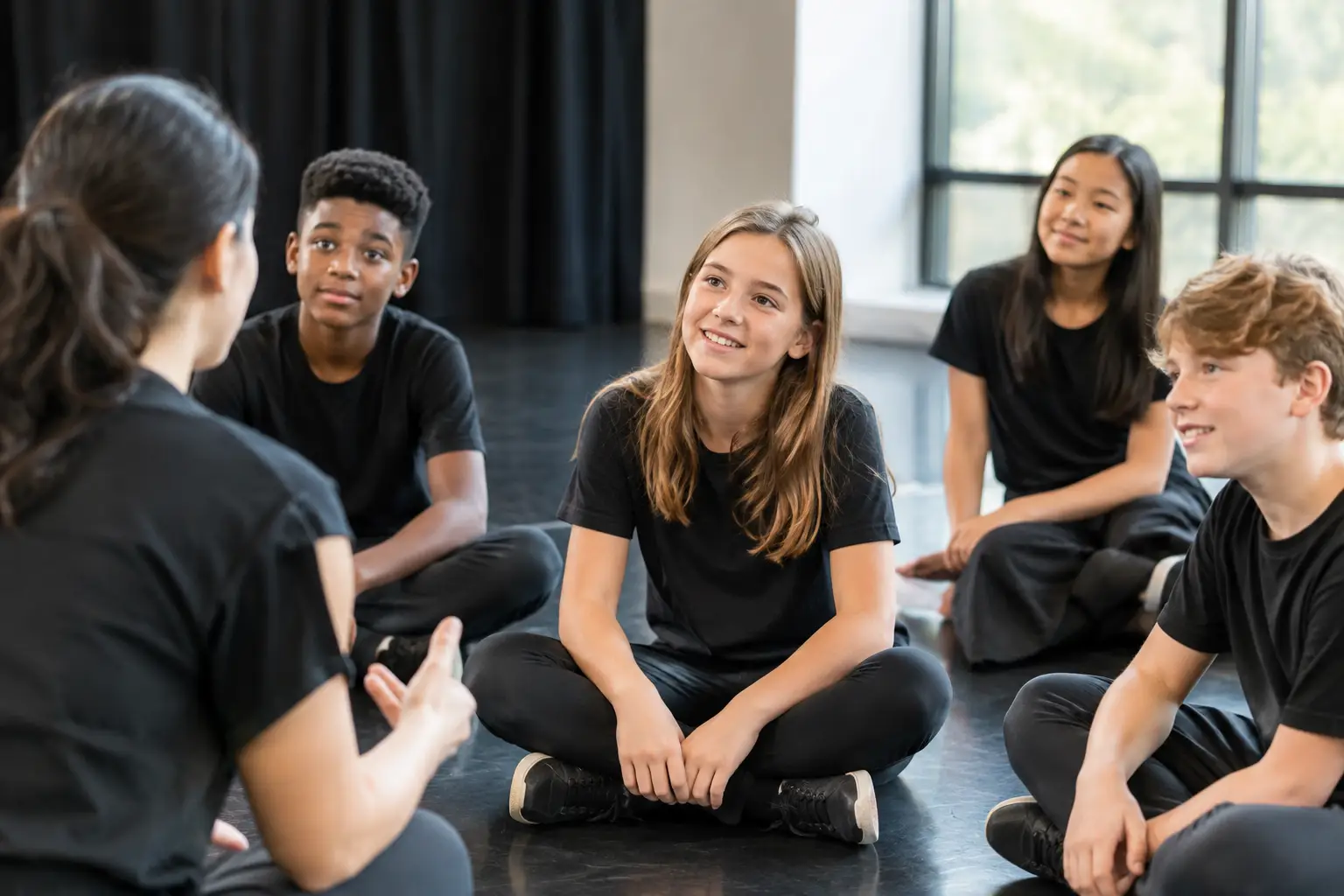
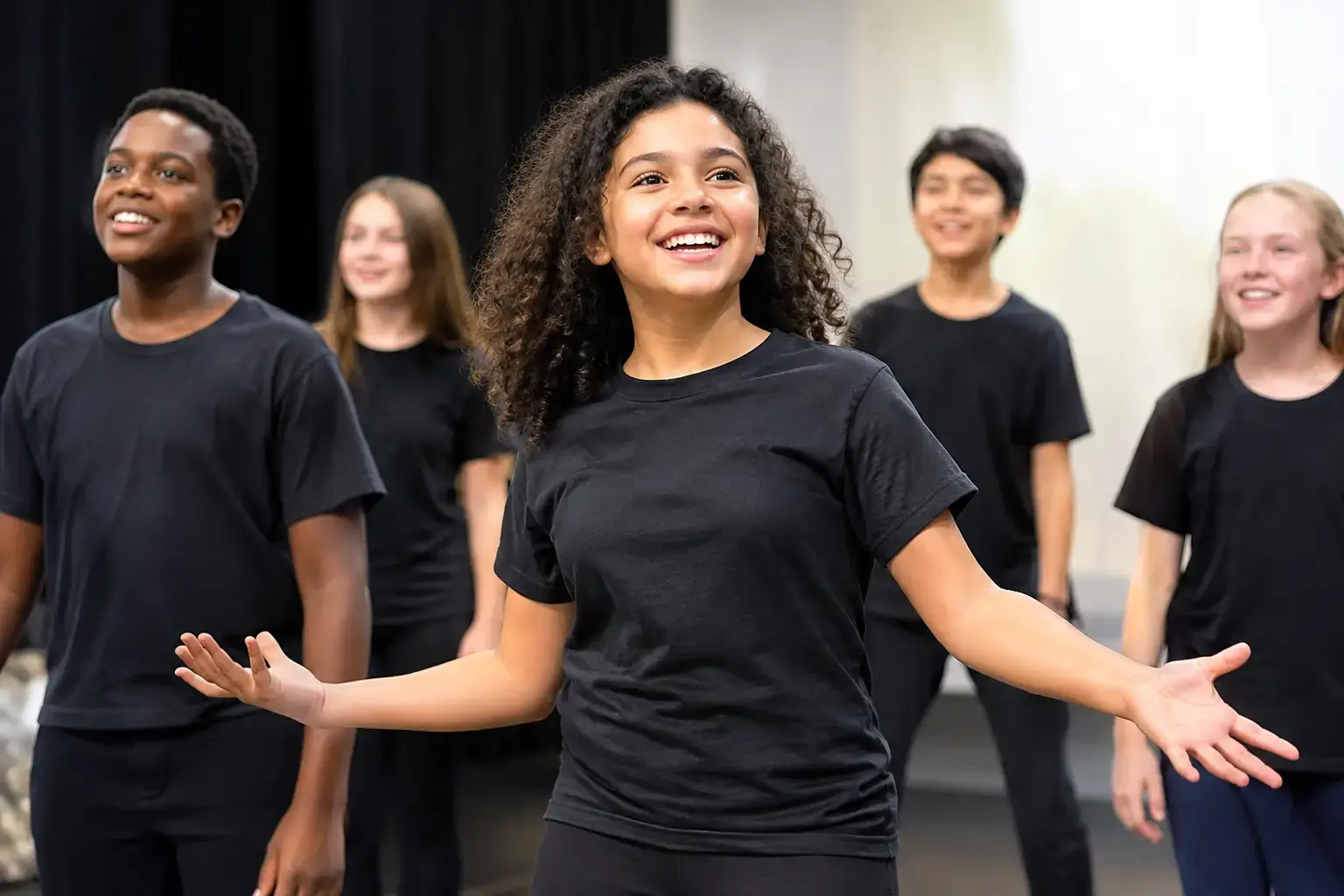
At rehearsal, performers learn how to take notes without feeling discouraged. They practice blocking, vocal projection, choreography, stage directions, and respectful collaboration. They discover that a scene becomes stronger when everyone pays attention, even when they are not speaking. These are artistic skills, but they are also life skills.
Parents can see this growth over time. A child who initially whispers an introduction may soon speak clearly across the room. A teen who worries about making a mistake may learn to recover calmly and keep going. A performer who arrives knowing no one may find a supportive group of peers working toward the same exciting goal.
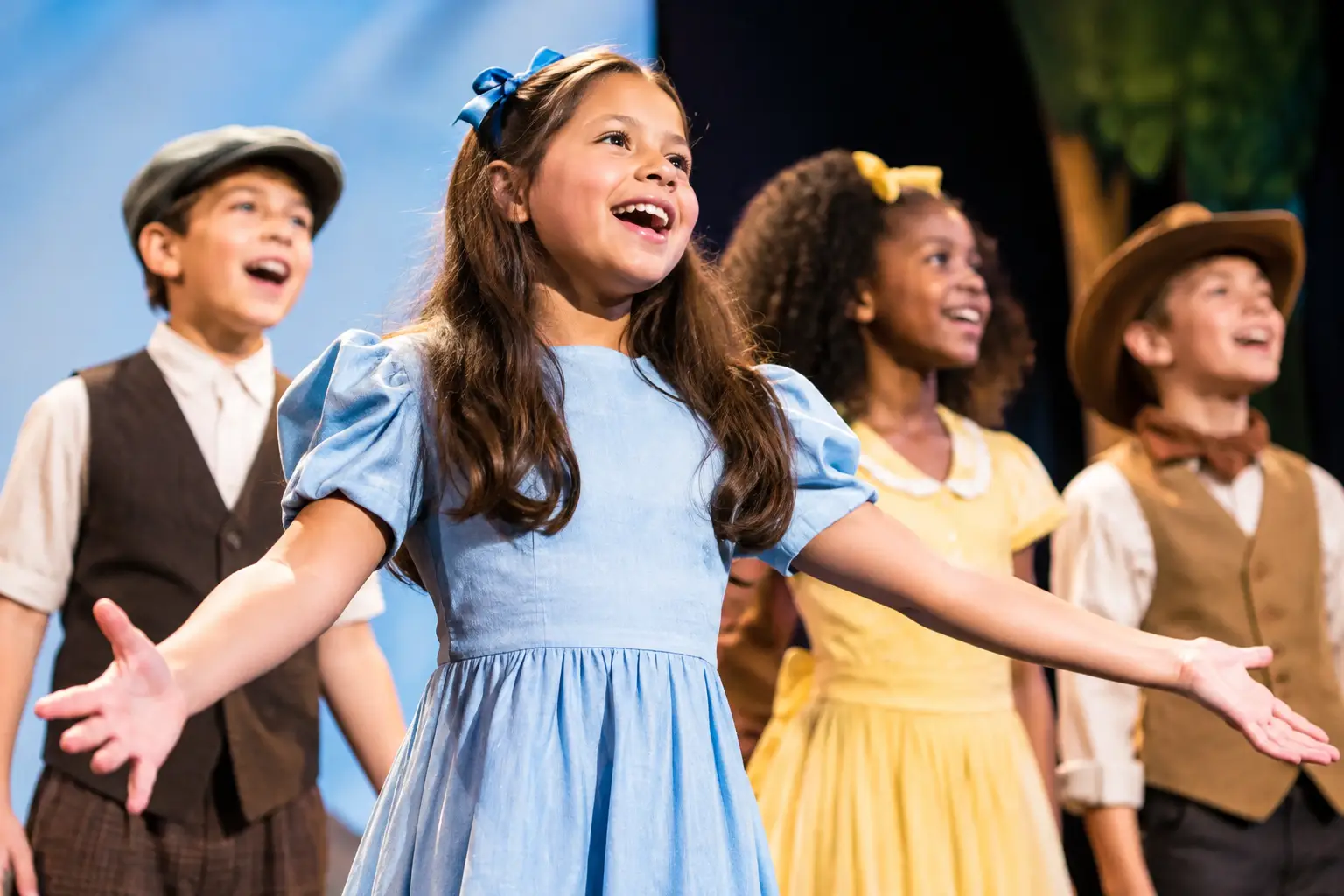
The final live performance is important because it gives all that preparation a purpose. Wearing a costume, stepping into the lights, hearing music begin, and taking a curtain call can become a lasting memory. More importantly, children get to say, “I worked for this.”
The trade-off: real commitment matters
A welcoming program should still be clear about expectations. Productions require attendance, practice at home, family communication, and a willingness to be part of the team. A child does not need previous training to begin, but they do need support in showing up and participating.
For busy families, the best fit depends on the season and the child. A day camp production may be a joyful introduction for a first-time performer or a family looking for an immersive school-break activity. A longer rehearsal process may be ideal for a child who wants to build skills gradually and experience the full rhythm of preparing a show.
Neither option is automatically better. The right choice is the one that gives your child enough challenge to feel proud without creating a schedule that leaves everyone overwhelmed. Asking about rehearsal days, performance dates, required materials, and attendance policies early helps families make a confident decision.
Questions Families Can Ask Before Joining
Parents do not need to know theatre vocabulary to find a thoughtful program. A few practical questions can reveal whether an organization is prepared to help children thrive:
- Does every child who auditions receive a meaningful opportunity to perform?
- How are roles created and assigned for children with different levels of experience?
- What does a typical rehearsal schedule look like, and what is expected at home?
- How do directors give feedback when a child is struggling or feeling nervous?
- Are there ways for families to participate in the production community?
The answers should feel specific, warm, and realistic. It is reasonable for a theatre to expect commitment. It is also reasonable for parents to expect respectful communication and an environment where children are treated as developing artists, not as problems to manage.
Belonging Is Part of the Performance
A youth theatre experience can teach children how to sing, act, dance, and tell a story. It can also teach them that their voice has value. That second lesson is often what stays with them longest.
At New Star Children’s Theatre, the belief is simple: every child who auditions is accepted and receives a role with lines. There are no chorus-only placements. Through custom-tailored casting, original scripts and songs, and full-stage productions, young performers are invited to take ownership of their own growth while cheering for one another.
That approach is especially meaningful for families seeking a low-pressure entry point without giving up the excitement of a real show. Beginners can start with encouragement around them. Returning performers can take on new challenges. Children who do not yet see themselves as performers can discover that the stage has room for them, too.
The Applause Is Only the Beginning
A great youth theatre program does not promise that every rehearsal will be easy or that every child will become a professional actor. It offers something more lasting: a safe place to work hard, take creative risks, and be recognized for individual progress.
When children are trusted with real responsibilities and surrounded by mentors and peers who want them to succeed, they carry that feeling beyond the theatre. They raise a hand in class, introduce themselves more confidently, try something unfamiliar, or encourage someone else who is nervous. Give your child a stage where they can be seen, heard, and celebrated for exactly who they are becoming.