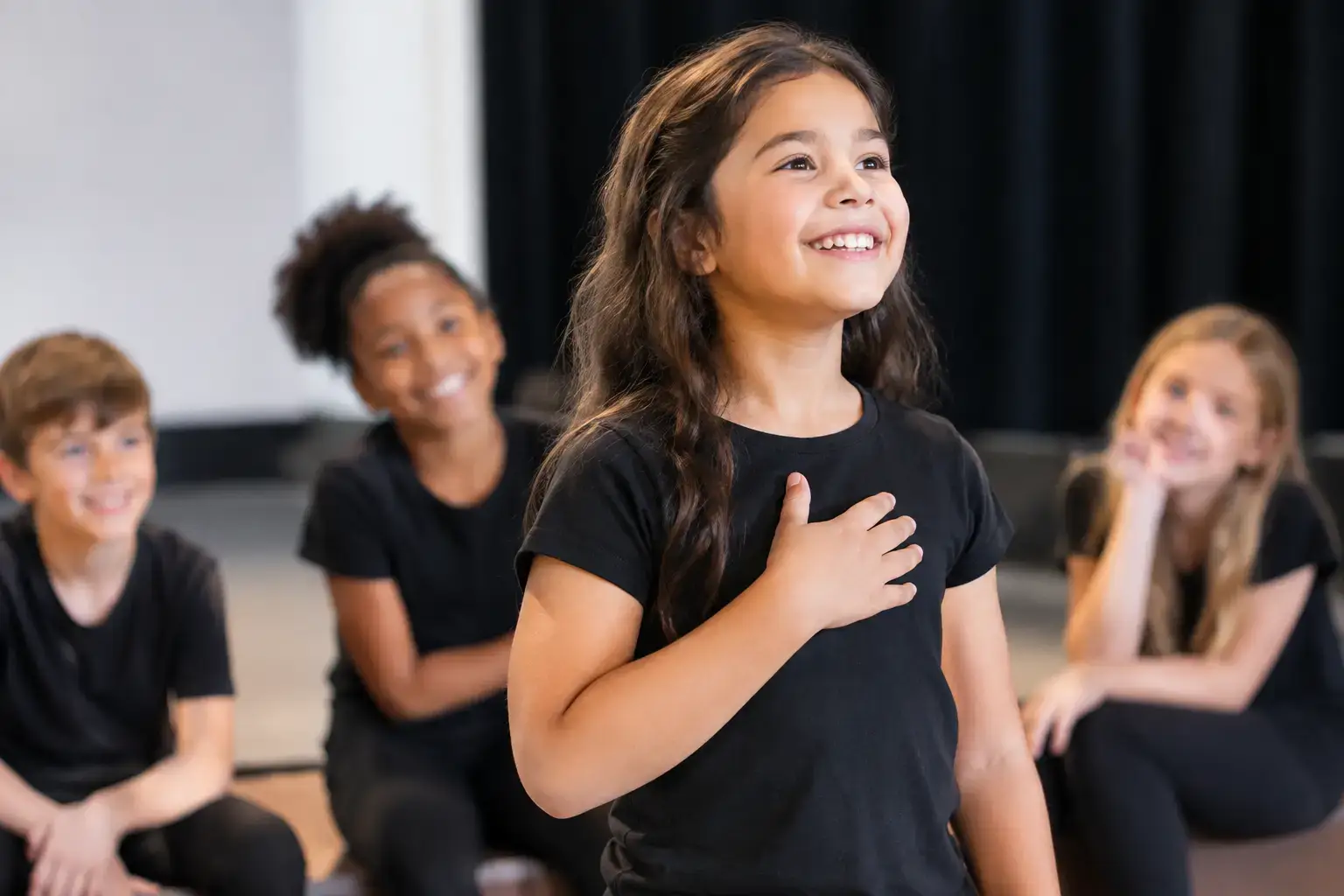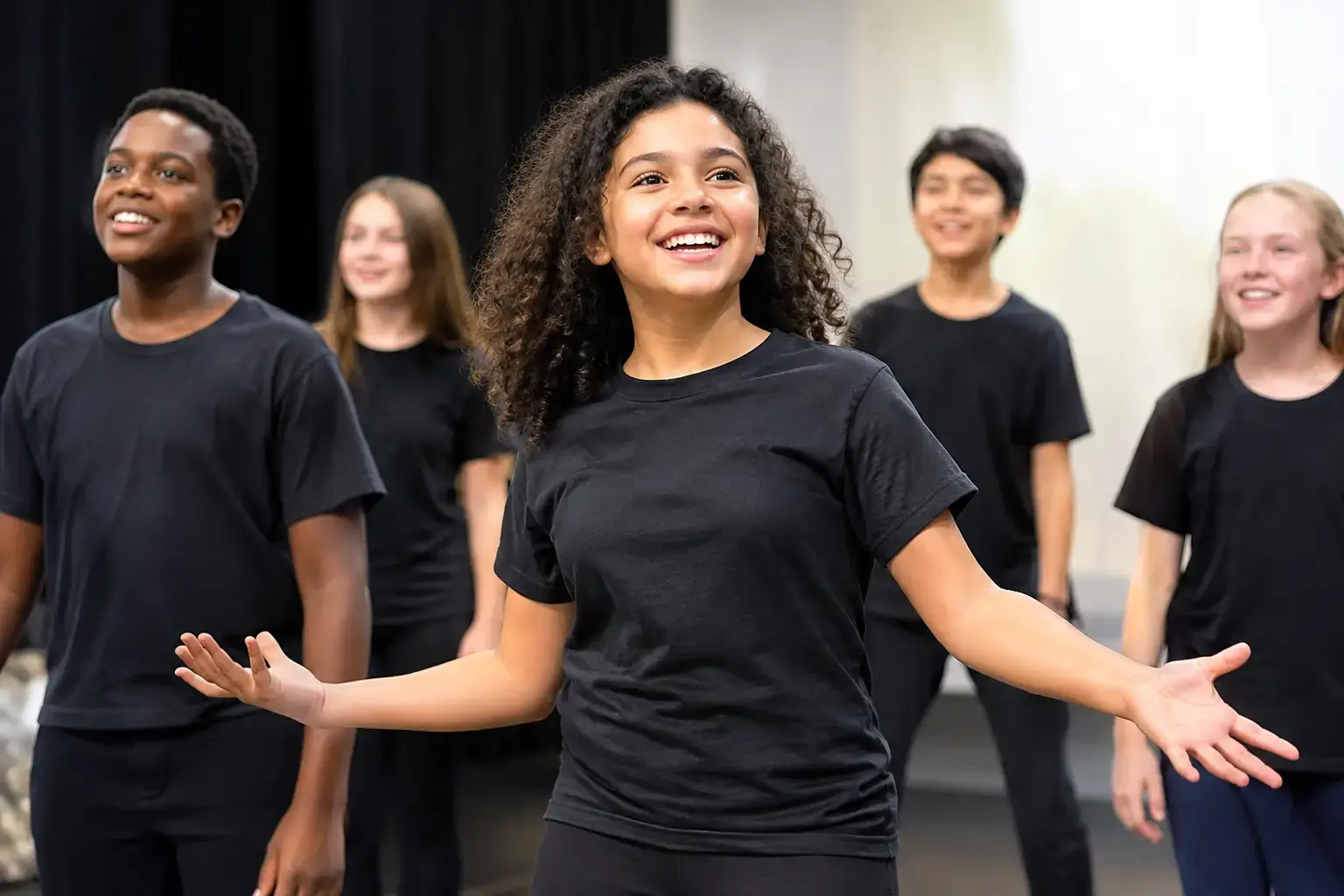
A child standing at the edge of an audition room may already be asking the biggest question: do kids need experience before they can be part of a musical? For many families, that question comes with a few others: What if my child is shy? What if they cannot sing yet? What if everyone else has done this before?
The encouraging answer is no. Children do not need a long resume, professional training, or a perfect audition to begin theatre. They need curiosity, a willingness to try, and a place where they are seen for who they are right now. A thoughtful youth theatre program helps children grow from that starting point, whether they arrive ready to belt a song or are simply brave enough to walk through the door.
Do Kids Need Experience to Join Theatre?
Experience can be helpful, but it is never the same thing as potential. A child who has performed before may understand some basic stage vocabulary, feel familiar with an audience, or know how rehearsals work. Those are useful head starts, not requirements for belonging in a production.
Theatre is learned by doing. Children learn how to project by speaking lines in a rehearsal room. They learn choreography by practicing it one count at a time. They learn what it feels like to recover from a missed cue when a director gently reminds them that every performer has been there.
For a first-time performer, the earliest goal is not perfection. It is participation. That might mean singing with a group, learning a short line, trying a character voice, or stepping into the light for the first time. Each small success makes the next one feel more possible.
A program’s approach matters here. In a highly competitive environment, a child may feel that prior credits are the price of entry. In an inclusive theatre community, experience is one of many things children bring to the room. Enthusiasm, imagination, kindness, determination, and a unique point of view all matter, too.
What Beginners Really Need
Children do best when they know what is expected and feel safe enough to make mistakes. That does not mean rehearsals should be unstructured or easy. Learning lines, arriving prepared, listening to direction, and working as a team are meaningful responsibilities. The difference is that beginners need guidance as they learn those responsibilities.
A positive first theatre experience gives young performers room to stretch without making them feel left behind. Directors and teaching artists can break skills into manageable pieces, model what to do, celebrate effort, and offer clear feedback. A child who is nervous about singing alone may begin with ensemble work. A teen who has never danced may discover that steady practice helps more than natural rhythm ever could.
Parents can help by setting a simple expectation: trying is the job. Your child does not have to become the loudest singer, the funniest actor, or the most polished dancer by opening night. They do need to show up, practice, support their castmates, and give themselves permission to learn.
Auditions Are an Introduction, Not a Test of Worth
The word “audition” can sound intimidating, especially to a family new to theatre. But youth auditions are often a chance for a creative team to get to know each child. They may be asked to sing a short song, read a few lines, learn movement, or simply introduce themselves.
Children do not need to arrive with a dramatic monologue memorized unless the program specifically asks for one. A familiar song sung with energy and honesty is often a wonderful choice. If they lose their place or feel nervous, that is okay. Taking a breath and continuing is part of the learning.
At New Star Children’s Theatre, every child who auditions is accepted and receives a meaningful role with lines. That approach changes the feeling in the room. Rather than competing for permission to participate, young performers can focus on showing their personalities, trying new skills, and becoming part of the story.
Experience Comes From the Rehearsal Process
A live performance may be the moment families see, but rehearsals are where much of the growth happens. Over several weeks, children practice the same scene until entrances feel natural. They begin to understand how their choices affect the people around them. They learn that a strong show depends on every cast member paying attention, from a quiet scene to the biggest musical number.
This process builds skills that reach beyond the stage. Memorizing lines supports focus. Learning choreography develops coordination and persistence. Taking direction teaches children how to receive feedback without taking it personally. Working with a cast creates opportunities for friendship, patience, and empathy.
For some children, theatre is also a place to try on confidence before they feel confident elsewhere. A child who is quiet at school may find a bold character voice. A teen who worries about fitting in may discover a group that celebrates their humor, creativity, and individuality. That transformation rarely happens in one rehearsal. It grows through repeated moments of being included and encouraged.
When Prior Experience Can Help
It is fair to say that experience can make certain parts of a production feel more familiar. A child who has done several shows may already know how to mark choreography, organize a script, or project toward the audience. Older teens who hope to pursue advanced theatre opportunities may eventually benefit from voice lessons, dance classes, technical training, or more challenging productions.
But experience should not become a reason to wait. Waiting until a child feels completely ready can mean waiting through years when they could be discovering what they enjoy. Most performers, even the experienced ones, remember a first show when they did not know the rules, missed a step, or wondered whether they belonged.
The right time to begin is often when your child is interested enough to give it a real try. If they love making up stories, singing in the car, watching musicals, dressing up, or being part of a team, theatre may be a joyful fit. If they are unsure but curious, a day camp production or beginner-friendly show can be a gentle way to explore.
How Families Can Prepare a First-Time Performer
Preparation should make a child feel supported, not pressured. Before an audition or first rehearsal, talk through what the day may look like. Let them know that other children will be new, too, and that nerves are a normal part of doing something brave.
Choose comfortable clothes they can move in, bring any requested materials, and plan to arrive with enough time to settle. If they are asked to prepare a song, practice it at home in short, low-pressure sessions. The goal is familiarity, not a flawless performance.
Once rehearsals begin, consistency becomes one of the greatest gifts a family can offer. Help your child keep their script in a reliable place, listen to music or run lines when appropriate, and protect rehearsal time on the family calendar. Just as valuable is asking open-ended questions afterward: “What was fun today?” “What felt challenging?” “Who did you work with?” These conversations show children that their effort matters, not only the final applause.
Avoid comparing their role, lines, costume, or progress with someone else’s. Every role serves the story, and every child’s theatre journey looks different. A young performer may have a large part in one show and a smaller but equally meaningful opportunity in another. Learning to contribute with pride in both situations is a valuable life skill.
The Stage Has Room for Beginners
Children’s theatre is not only for children who already call themselves performers. It is for the child who wants to see what happens when they try. It is for the experienced singer who wants a new challenge, the energetic dancer looking for a team, the thoughtful storyteller, and the quiet child ready to be heard.
When programs welcome beginners while still setting meaningful goals, they create something special: a community where children can develop skills without having to earn their place first. The applause on performance day is wonderful, but the real beginning often happens much earlier, when a child realizes, “I can do this.”