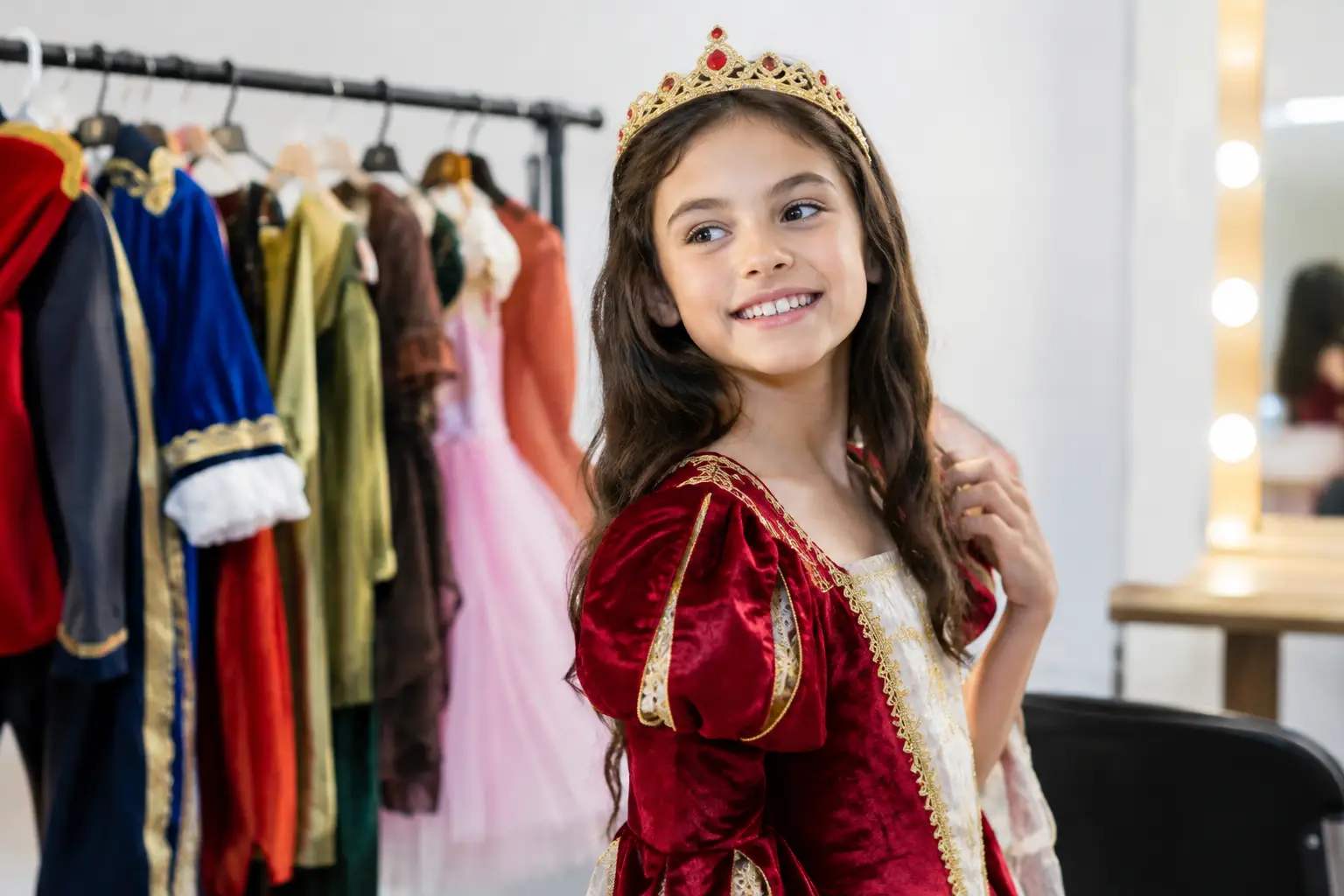
The question “are costumes provided?” is often one of the first things families ask after a child is cast in a show. It is a practical question, but it also comes from a caring place: parents want their young performer to feel prepared, comfortable, and ready to shine. The short answer is that costume arrangements can vary by production, so the best approach is to look for the specific guidance shared by your theatre program.
At New Star Children’s Theatre, every child who auditions has a place in the production and a meaningful role to grow into. That means costume planning is part of helping each performer step confidently into their character, whether they are brand new to the stage or already love the spotlight.
Are Costumes Provided? What Families Can Expect
In youth theatre, costumes are usually a team effort. A production may provide full costumes, key costume pieces, or the more specialized items needed to create the show’s world. Families may also be asked to send simple basics from home, such as plain black shoes, leggings, a solid-colored shirt, or a neutral undershirt.
There is no one-size-fits-all answer because every show has different needs. A fairy-tale musical may require crowns, capes, character dresses, or creature accessories. A contemporary story may only need coordinated everyday clothing. Larger casts, multiple scenes, quick changes, and a production’s available costume resources can all affect the plan.
The most useful thing to remember is this: families should not have to guess. A well-organized youth theatre program will communicate costume expectations clearly, including what is being supplied, what needs to come from home, when items are due, and how they should be labeled.
Why Costume Details May Change From Show to Show
A costume is more than an outfit. It helps a young actor understand who their character is, where the story takes place, and how a scene should feel. A student playing a royal advisor may stand a little taller in a formal jacket. A performer cast as an adventurous explorer may find it easier to move with purpose in the right boots or hat.
Still, theatre costumes must also work in the real world. Children need to be able to breathe, dance, sit, sing, and move safely. Costumes may need to be adjusted as blocking develops, choreography is added, or a child grows between auditions and performance weekend.
That is why a costume plan may start broad and become more detailed as rehearsals continue. Families might first hear that dark pants and closed-toe shoes are needed, then receive a later note about a specific color, style, or accessory. This is normal production planning, not a sign that anyone has been overlooked.
What a Theatre Program May Supply
Depending on the show, the production team may supply items that are difficult to find, need to match across the cast, or help create a particular period or fantasy setting. These can include character-specific garments, hats, capes, props worn as part of a costume, costume jewelry, or specialty accessories.
Some programs also maintain a costume collection from past productions. Reusing and adapting pieces can keep participation more accessible while giving each show its own personality. A garment may be altered, layered, or paired with a new accessory to become something entirely different onstage.
What Families May Be Asked to Provide
When families are asked to contribute, the request is often for basic, affordable items that children may already own. Dance shoes, socks, shorts worn under costumes, simple pants, or plain shirts are common examples. These pieces can be easier for a child to wear because they are familiar, properly sized, and suitable for active rehearsal days.
A request from home does not mean a family must purchase an expensive new wardrobe. If an item is difficult to locate or creates a financial concern, it is always appropriate to speak with the program staff early. Youth theatre should be a place where children can focus on learning and belonging, not where families feel pressured to keep up with an unrealistic costume budget.
How to Prepare When Costume Information Arrives
Once the costume notice is shared, read it closely and save it somewhere easy to find. Pay attention to color, fabric, fit, shoe style, and any rules about logos or patterns. “Black pants” may mean plain black pants without stripes, bright stitching, or visible branding. “Skin-tone undergarments” may be requested because they stay discreet under stage lights and changing-room conditions.
Label every item that goes to rehearsal or the theatre. This small step makes a big difference when dozens of performers are changing in busy backstage spaces. A name written on the tag, shoe sole, or garment label can prevent last-minute mix-ups.
Encourage your child to try on all required pieces before the first costume rehearsal. They should be able to raise their arms, take big steps, sit comfortably, and move through choreography without worrying about a slipping strap, dragging hem, or stiff pair of shoes. If something feels uncomfortable at home, it will feel even more distracting under warm stage lights.
It also helps to pack costume basics in one dedicated bag. Include the requested clothing, shoes, socks, underlayers, and any approved accessories. Avoid sending treasured jewelry, fragile keepsakes, or items that have not been requested. Backstage areas are exciting, busy places, and simpler is usually safer.
Helping Your Child Feel Good in Their Costume
For many young performers, the first time they see themselves fully costumed is a magical moment. It is also possible for a child to feel shy, itchy, overheated, or nervous about looking different from their everyday self. Both reactions are completely normal.
Talk about the costume as a storytelling tool rather than a test of how they look. Ask what they notice about their character when they put it on. Do they feel brave, silly, mysterious, important, or ready for an adventure? This keeps the focus on acting and imagination, not comparison.
Comfort matters, too. Let staff know promptly about sensory needs, mobility concerns, allergies, or clothing issues that may affect a performer’s well-being. Many adjustments are much easier when they are raised early, before dress rehearsal week. A supportive production team wants every child to be able to perform with confidence and safety.
Costume Rehearsals Are for Learning, Not Perfection
A costume rehearsal gives performers a chance to practice the practical side of the show. They learn how long a quick change takes, whether a cape catches on a chair, how to handle a prop while singing, and where to keep personal belongings. These rehearsals can feel busy, especially for younger cast members, but they are an important part of becoming stage-ready.
Parents can help by arriving on time, sending requested items exactly as instructed, and reminding children that mistakes are expected during the learning process. A missed shoe, a tangled sash, or a forgotten accessory can usually be solved when everyone communicates calmly. The goal is not perfection on the first try. The goal is for each performer to feel prepared by opening night.
A Quick Question Is Always Welcome
If you are unsure whether costumes are provided, do not wait until the final rehearsal to ask. Reach out as soon as the question comes up, especially if your child has a sizing need, an accessibility consideration, or trouble finding a requested item. Clear communication gives the creative team time to help and gives your family peace of mind.
The best costume plan is one that supports the story while allowing children to move, perform, and feel like themselves. When a young actor walks onstage knowing they are prepared and supported, they can put their energy where it belongs: sharing the joy of the show with their cast, their family, and the audience.